Design Question
How can games use embodiment to safely explore experiences that are inaccessible, uncomfortable, or impossible in everyday life?
Overview
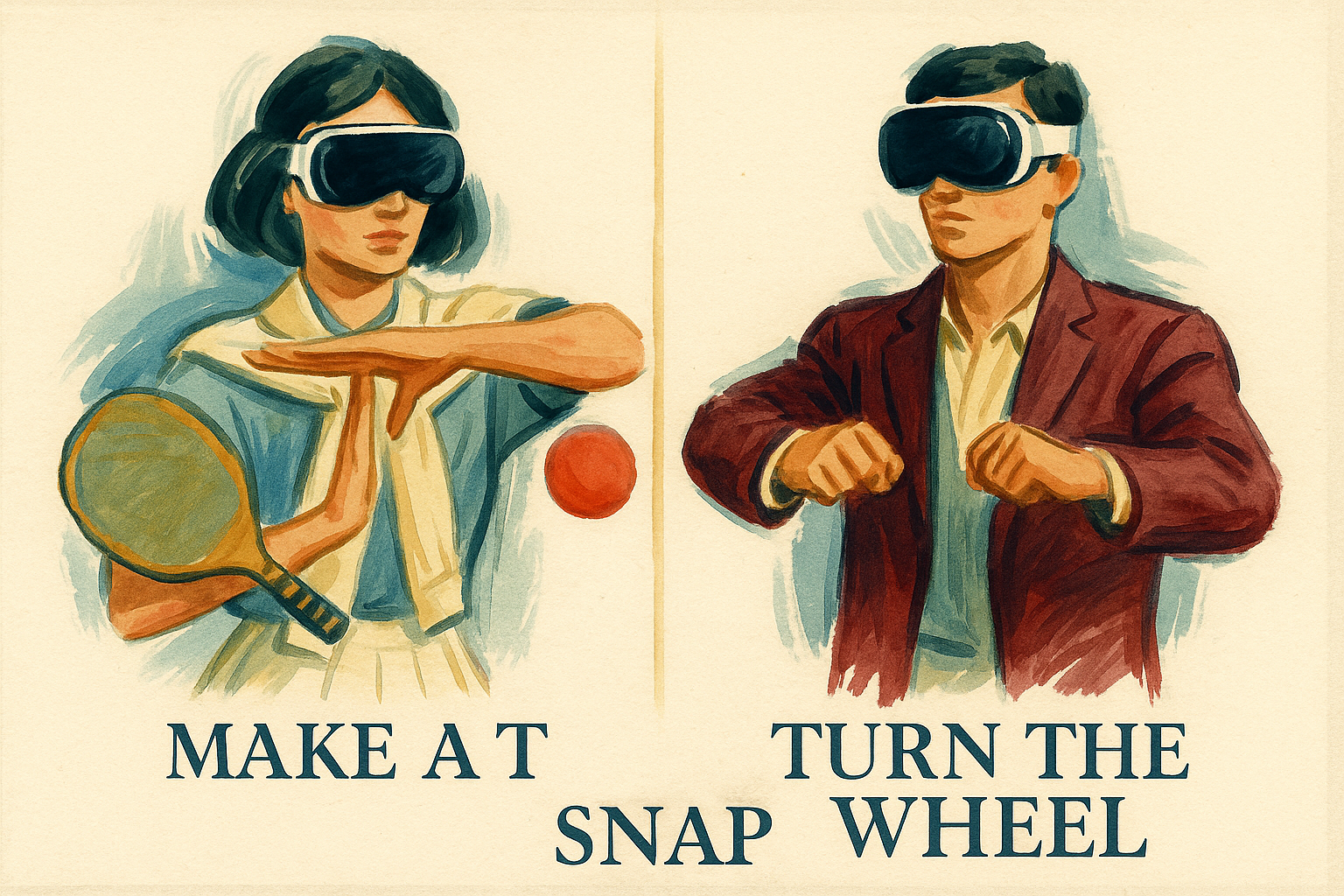
Inspired by Tracy Fullerton's concept of The Forbidden Act, this project explores how games allow players to inhabit perspectives and perform actions that would otherwise be inaccessible. Unlike passive media, games invite participation. Through embodiment, players don't simply witness another perspective. They actively experience it through their own decisions and actions.
Rather than treating mechanics as isolated systems, this exploration examines how interaction itself creates meaning. The actions available to players, the roles they inhabit, and the spaces they are invited into all shape how they understand the experience. By designing around embodiment, games can foster empathy, challenge assumptions, and encourage reflection in ways that explanation alone cannot.
The Forbidden Act reframes interaction design as more than creating intuitive controls. It asks how the act of being someone else, even temporarily, can transform the player's relationship with the world, with others, and with themselves.
Key Takeaways
Embodiment allows players to experience ideas instead of simply observing them.
Meaning emerges from participation, not just narrative.
Interactions can be designed to encourage empathy as well as mastery.
The actions available to players shape both gameplay and perspective.